What Types of Septic Systems Are Approved in Greene County?
Homeowners and property buyers in Greene County, MO, need to understand which septic system types are approved locally before starting any new construction or replacement project. Choosing the right on-site wastewater treatment system (OWTS) depends on your soil conditions, lot size, and county permit requirements. Whether you are building a new home or replacing a failing system, partnering with an experienced Septic System Installation Contractor early will save time and help you avoid costly mistakes.
Why Greene County Has Its Own Septic Rules
Greene County maintains regulations that go beyond Missouri's state minimums. The Missouri Department of Health and Senior Services (DHSS) sets minimum state standards for OWTS but delegates permitting authority to local governments. Homeowners in Republic, MO, and surrounding communities must satisfy both state and county requirements before any system can be installed. A permit is required for installation of a new system and for repair or replacement of an existing system.
What System Types Are Approved in Greene County?
The right system for your property depends on your soil profile, available land area, and daily wastewater flow.
List of services
-
Conventional Gravity-Fed SystemsList Item 1
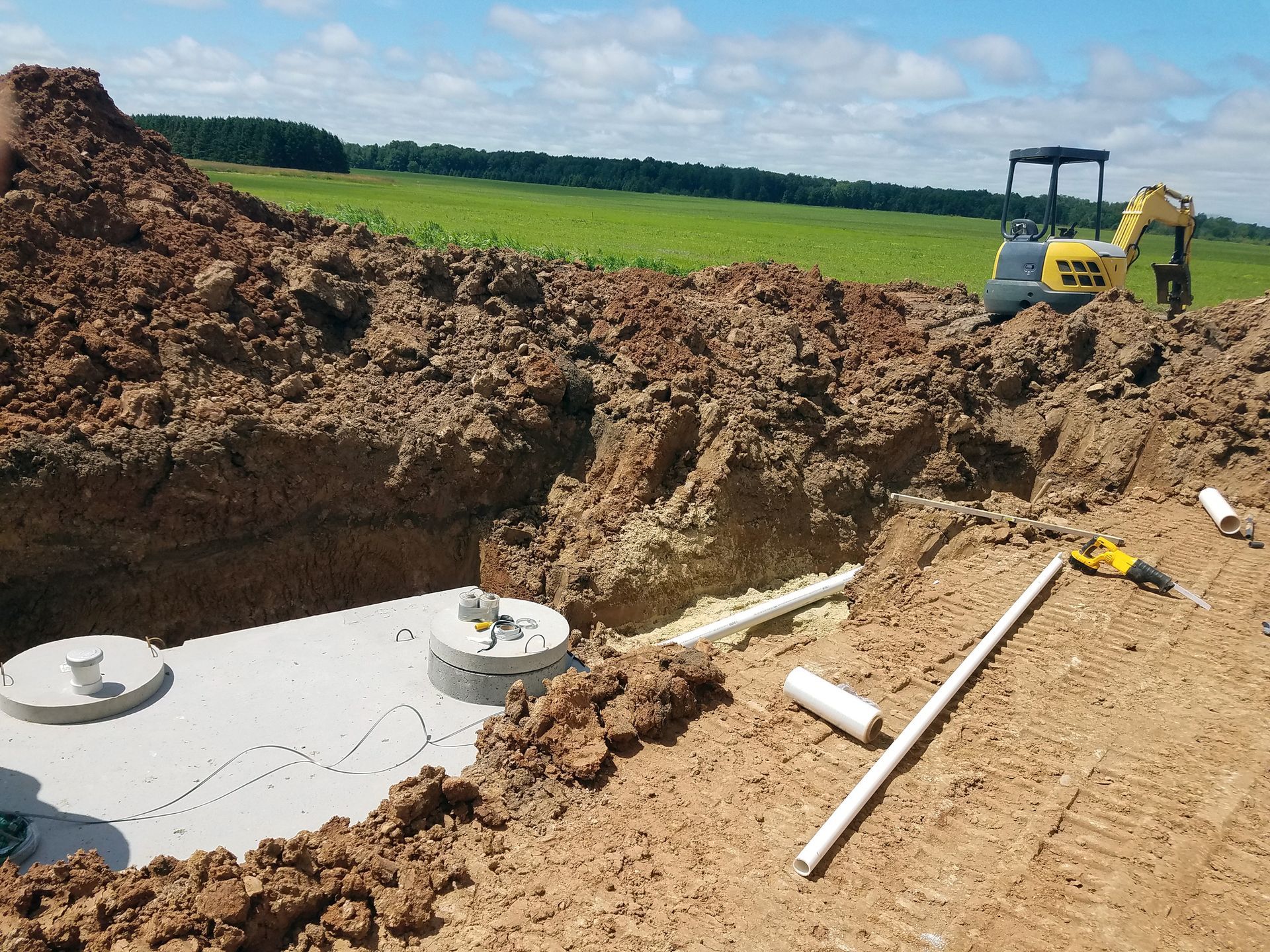
Conventional systems are the most widely used option when soil conditions support them. They are generally the most reliable and least costly because wastewater needs little pretreatment before it is applied to the soil. Greene County requires a septic tank of at least 1,000 gallons for any residence with up to three bedrooms, sized at 120 gallons per bedroom. Standard absorption trenches are not permitted in soils with a loading rate below 0.2 gallons per day.
-
Mound SystemsList Item 2
Mound systems are required when soil depth is limited or seasonal groundwater sits close to the surface. They incorporate at least 12 inches of clean sand above the original soil surface and disperse treated wastewater into the native soil below. Many rural properties in the Republic, MO, area sit on Ozark geology that limits usable soil depth, making mound systems a practical, compliant alternative.
-
Aerobic Treatment Units (ATUs)List Item 3
Aerobic treatment units operate much like a municipal sewage treatment plant, mixing wastewater with air to promote bacterial digestion of organic waste and pathogens. In areas with very slow percolation, shallow soil, or a high water table, ATUs provide a higher treatment level before effluent is dispersed, often through a shallow drip irrigation field. An advanced-licensed Septic System Installation Contractor is required to install ATU-based systems in Greene County.
-
Subsurface Drip Distribution SystemsList Item 4
Drip systems deliver highly treated effluent through small-diameter tubing buried just below the surface, making them suitable for tighter lots or soils that cannot support a traditional drain field. They are typically paired with an ATU or sand filter to achieve the required treatment level before dispersal.
-
Sand Filters and Other Advanced Systems
A sand filter consists of layers of sand and gravel that treat wastewater before distribution into the soil. Sand filters are often combined with drip or low-pressure pipe systems. Other advanced components recognized in Missouri include bio-filters, constructed wetlands, and low-pressure pipe distribution systems.
How Does the Soil Evaluation Process Work?
Greene County requires a soil evaluation performed by a soil scientist as part of the permitting process for new systems and for lateral line additions or replacements. The soil scientist determines the soil's morphological characteristics from an excavated pit. Those findings guide both site suitability and the final system design. Absorption areas are sized based on soil loading rates, with a minimum of 600 square feet for any residence.
If the soil type is unsatisfactory, the absorption field will not function properly regardless of installation quality. A knowledgeable Septic System Installation Contractor will coordinate this evaluation as part of the overall permitting and design process.
Setback Requirements to Know Before You Build
Greene County enforces specific setback distances that affect tank and drain field placement:
▸ Septic tank from a private well: 50 feet.
▸ Septic tank from a public well: 300 feet.
▸ Septic tank from a property line: 10 feet.
▸ Lateral lines from a private well: 100 feet.
▸ Lateral lines from a stream, lake, or impoundment: 50 feet.
▸ Disposal area to property line: 10 feet.
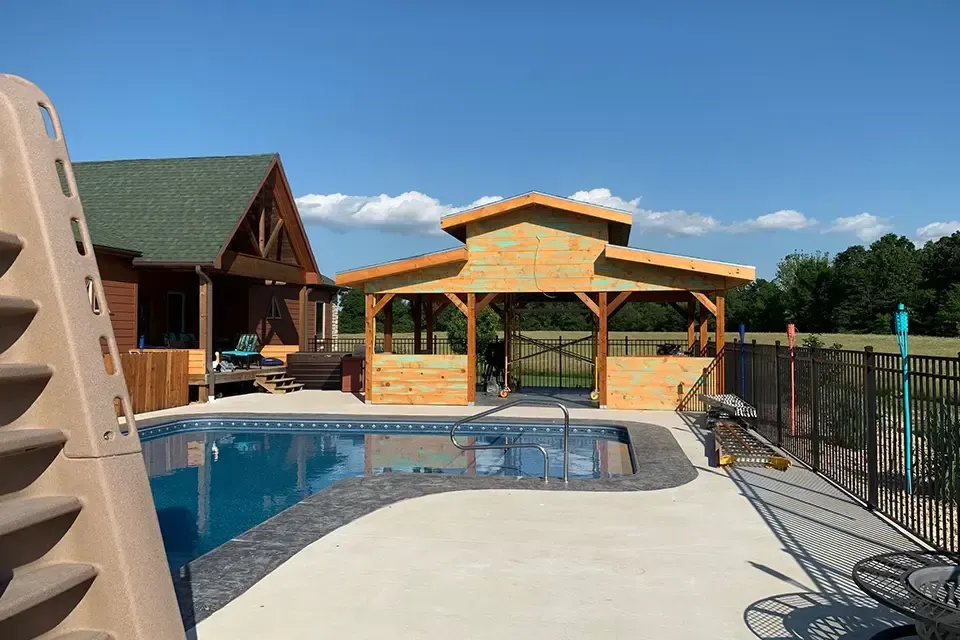
▸ Sewage tank from a swimming pool: 25 feet.
Violating setback rules can result in permit denial or a required redesign.
Licensing Requirements for Installers in Greene County
Anyone performing septic system installation or repairs in Greene County must be licensed as an installer with both the state of Missouri and Greene County. Missouri recognizes three license types: basic installer, advanced installer, and inspector. Individuals seeking the advanced installer license must first complete the Basic OWTS Installer Course. Working with a Septic System Installation Contractor who holds both credentials means your project is not limited to basic system types.
Ready to Plan Your Septic System in Republic, MO?
All Excavating holds both basic and advanced septic system installer licenses. That means the team is qualified to handle conventional systems, mound systems, ATUs, drip systems, and more. As a trusted Septic System Installation Contractor serving Republic, MO, and surrounding Greene County communities, the team can guide you from soil evaluation through permit acquisition and full installation.
Contact All Excavating to schedule a consultation:
417-322-0029. Visit the
septic system installation page to learn more, or
reach out online to request a free quote. You can also find
All Excavating on Google
to read reviews and connect with the team directly.